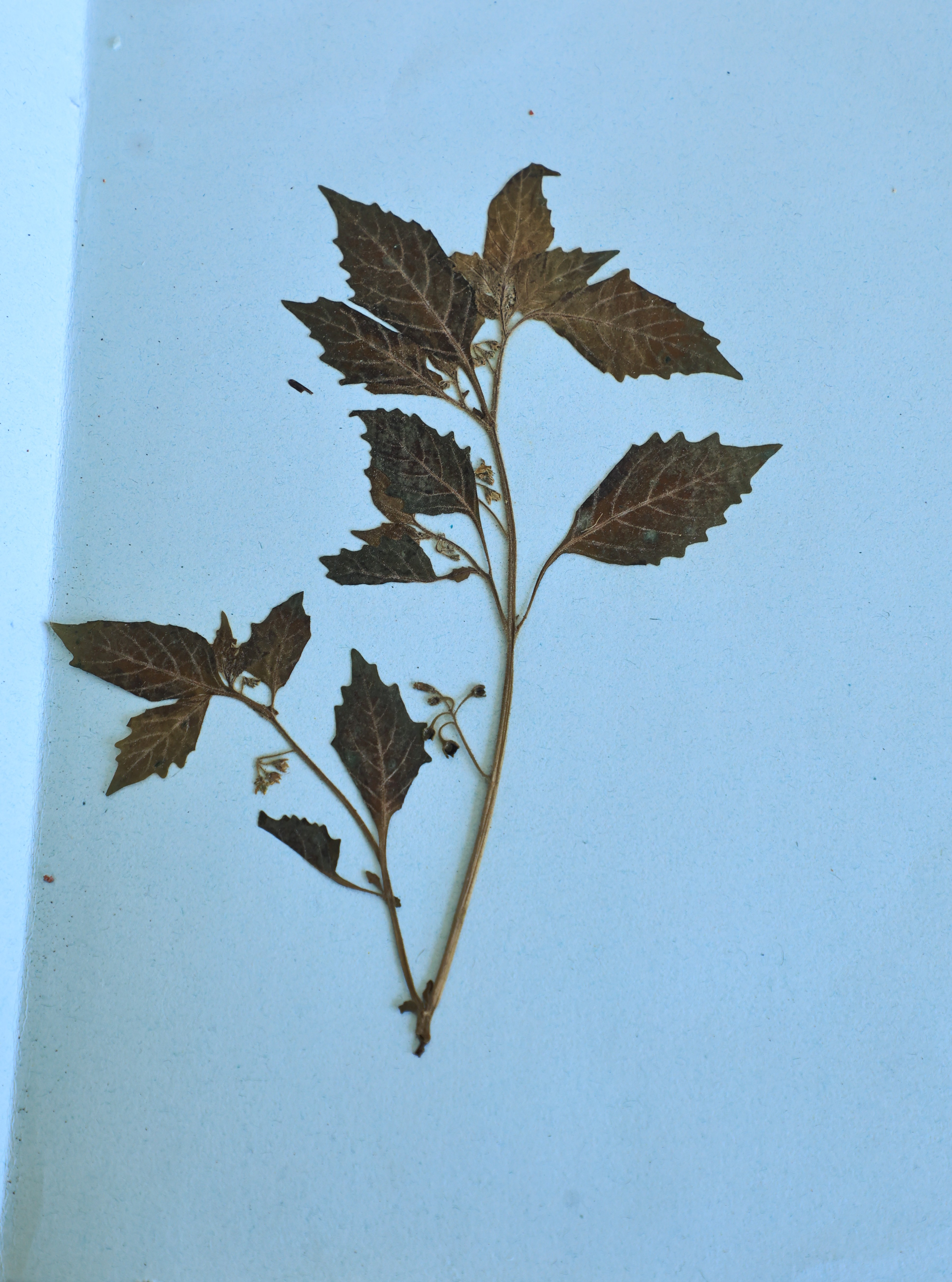
Solanum nigrum is a herbaceous plant species in the Solanaceae (nightshade) family, commonly referred to as black nightshade. Despite its reputation for being toxic, this plant holds significant ethnobotanical value across various cultures.
Toxicity and Edibility:
All parts of the plant, especially the unripe green berries and raw leaves, contain glycoalkaloids such as solanine, which can be toxic if consumed in large quantities. Symptoms of poisoning may include nausea, vomiting, abdominal pain, and drowsiness.
However, in many cultures, especially in Africa, Asia, and Latin America, S. nigrum has long been consumed as a leafy vegetable. The leaves are typically boiled and drained to reduce toxicity and are incorporated into local dishes.
The ripe black berries of certain non-toxic varieties are also eaten, often by children or used in traditional medicine.
Traditional Medicinal Uses:
Solanum nigrum is widely used in folk medicine. Common uses include:
Treating gastrointestinal issues (diarrhea, ulcers)
Reducing fever and inflammation
Liver and kidney support
Topical application for skin conditions such as ringworm, eczema, or boils
Its use is typically oral (after boiling) or topical, depending on the ailment.
Phytochemistry and Pharmacology:
Phytochemical analyses have identified several bioactive compounds in S. nigrum, including:
Alkaloids: solanine, solasonine
Flavonoids
Saponins
Tannins
These substances exhibit antioxidant, anti-inflammatory, antimicrobial, and even anticancer activities in laboratory studies, though clinical evidence is still limited. |